
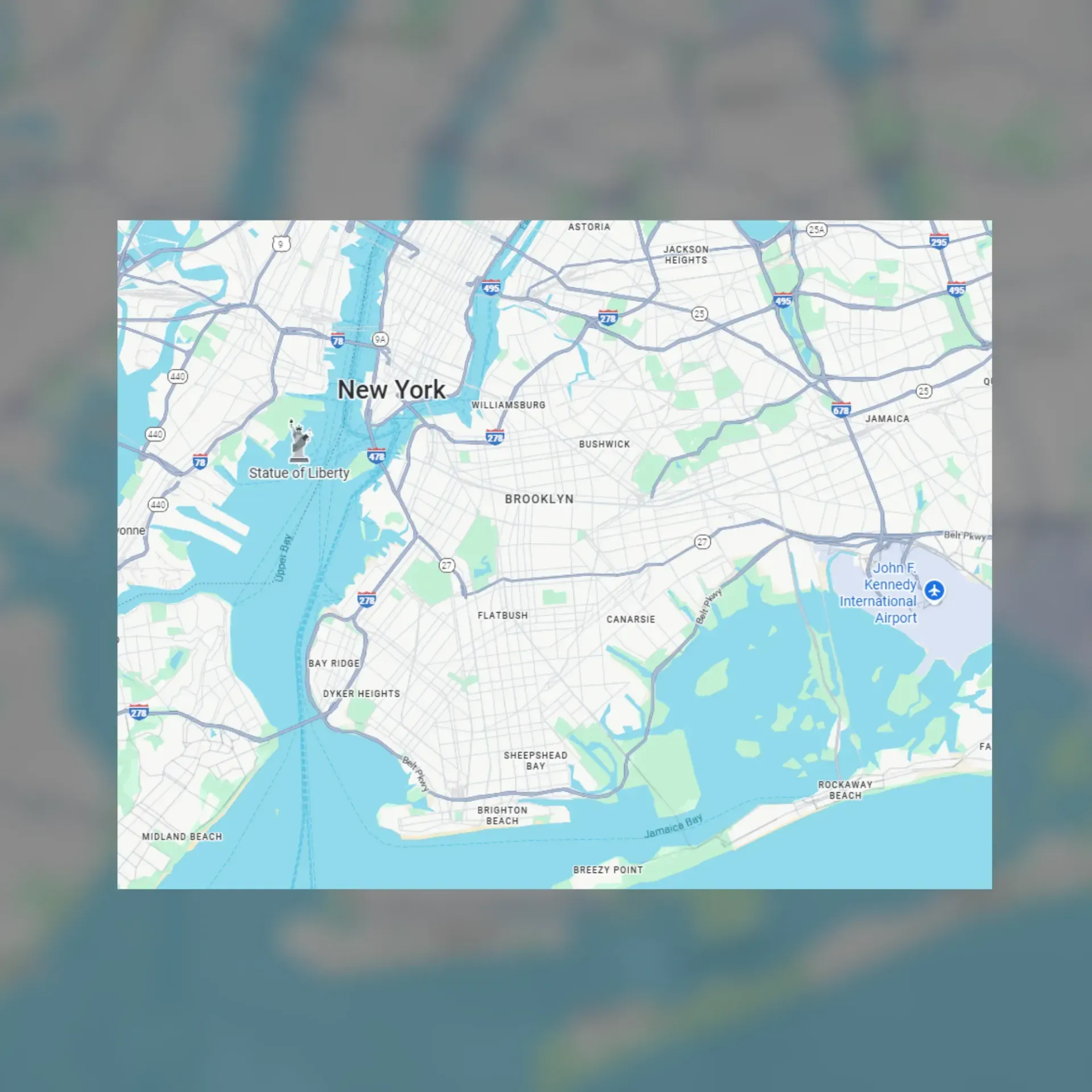
New Paragraph
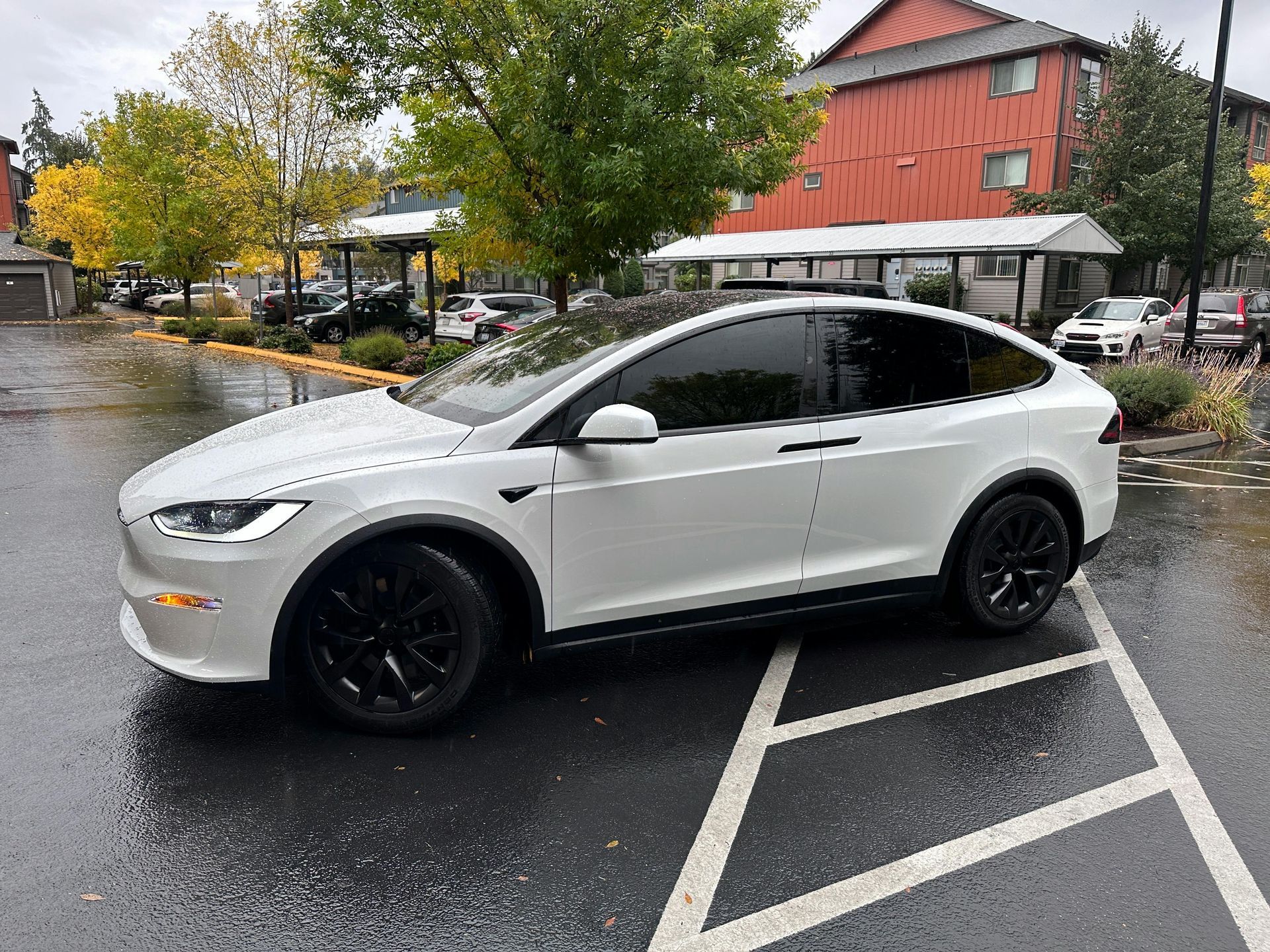
Best Window Tint for SUVs in Brooklyn, NY | 2026 Guide Brooklyn drivers searching for the best window tint for SUVs Brooklyn NY face a compliance challenge most other markets don’t. New York’s strict VLT requirement on front windows means going dark for comfort is not an option. This guide covers how nano-ceramic film technology, New York’s SUV classification rules, and full-vehicle protection strategies work together for large vehicles across Brooklyn’s neighborhoods. Why Brooklyn SUV Owners Need Premium Ceramic Tint Brooklyn’s heat problem is distinct from highway or suburban conditions. Brick buildings, glass towers, and asphalt absorb solar energy throughout the day and radiate it back into parked vehicles, compounding the heat load inside large SUV cabins even on mild days. A full-size SUV parked in Williamsburg, Bushwick, or Bay Ridge accumulates heat from multiple directions simultaneously, not just from direct sun above. In general, standard dyed films primarily darken glass and deliver limited infrared heat rejection, though performance varies by manufacturer. For Brooklyn drivers legally required to stay at high VLT levels on front windows, this creates a significant comfort gap. Nano-ceramic window tint, such as those made by HITEK Films, targets infrared radiation directly, delivering meaningful heat rejection at nearly clear VLT levels. The result is a cabin that cools faster, an A/C system under less strain, and interior surfaces protected from UV deterioration without any darkness that could trigger a failed NY state inspection. Ceramic vs. Carbon: The Clear but Cool Challenge for NY Drivers New York’s legal framework forces front-window performance to come entirely from film technology rather than darkness. In general, carbon and dyed films deliver limited comfort at the light VLT levels New York requires, though performance varies by manufacturer. At legally compliant VLT levels, a carbon film provides minimal heat reduction because it relies on visible light reduction rather than infrared rejection to feel effective. Nano-ceramic film, such as those made by HITEK Films, uses non-metallic ceramic particles to block infrared radiation independently of visible light transmission. At legally compliant VLT levels, nano-ceramic delivers high IR rejection and near-complete UV blocking while maintaining optical clarity and no interference with GPS, Bluetooth, or driver-assist systems. For carbon vs. ceramic tint NY comparisons, this is the defining distinction for front windows where Brooklyn law leaves no room to compensate with darkness. For rear windows, New York classifies SUVs and vans as multi-purpose vehicles, which are permitted any darkness on rear side windows and back glass. This allows nano-ceramic on the front doors at legal VLT levels while a compatible darker film on the rear addresses the privacy glass Brooklyn SUV owners need without affecting front-window compliance. Essential Add-Ons for Large SUV Cabins Panoramic Sunroof Film Panoramic sunroof tinting is a critical component of full-vehicle protection for large SUVs in Brooklyn. Untreated roof glass functions as a direct overhead heat source, raising cabin temperatures at the roofline and affecting rear passengers throughout the day. A nearly clear nano-ceramic film in a high VLT range blocks a significant portion of IR and UV while preserving the open appearance of the roof. For vehicles that spend hours parked under open sky between buildings, this overhead protection directly affects how quickly the cabin reaches a comfortable temperature after parking. Clear Ceramic Windshield Film for Large SUV Cabins The windshield is the largest single glass surface on most SUVs and the primary entry point for both infrared heat and UV radiation in stop-and-go city traffic. A nearly invisible nano-ceramic windshield film adds meaningful IR and UV rejection without altering the windshield’s appearance or reducing nighttime visibility on Brooklyn streets. This upgrade pairs naturally with a legal visor strip at the top of the glass, together reducing glare and protecting the dashboard, electronics, and front interior surfaces from accumulated UV damage across years of city driving. Frequently Asked Questions What is the darkest legal tint for an SUV in New York? Front side windows must allow at least 70% net VLT for all vehicles. Rear side windows and back glass on SUVs and multi-purpose vehicles are permitted in any shade. Factory glass VLT should be measured before installation, as adding even a light film to glass already near the legal threshold can push the combined reading below the legal limit. Is ceramic tint worth it if I cannot go dark in New York? Yes. Nano-ceramic film blocks a significant portion of infrared heat and nearly all UV radiation even at or above the legally required VLT level. For Brooklyn SUV owners, this means meaningful heat rejection and interior protection without any darkness that risks a failed state inspection. Does factory SUV privacy glass count as window tint in New York? In general, factory rear privacy glass provides limited infrared or UV blocking, though this varies by manufacturer. A clear ceramic overlay applied over factory dark glass adds the heat and UV rejection that factory glass does not deliver on its own, without making the windows any darker. What windows should be tinted on a full-size SUV in Brooklyn? For comprehensive protection, all glass surfaces benefit from treatment. Front doors require legally compliant nano-ceramic for IR and UV rejection. Rear side windows and back glass can receive darker privacy film. Panoramic roofs and windshields benefit from nearly clear ceramic film that blocks overhead and forward solar load without affecting visibility or legal compliance. 📞 Call *phone number* for a professional assessment of your vehicle and find out which nano-ceramic film package delivers the right heat rejection, NY legal compliance, and full-cabin protection for your SUV in Brooklyn.
Legal & Safe Windshield Tint Options in Brooklyn, NY If you’re searching for the best window tint for windshields Brooklyn NY drivers can install without failing inspection, compliance comes first. Under NY window tint law 2026 and strict NYC inspection enforcement, dark windshield tint is not legal for most vehicles. However, high-clarity ceramic films from HITEK Films offer heat rejection and glare reduction while maintaining legal light transmission levels. This guide explains New York windshield tint laws, how clear ceramic technology works, and how Brooklyn drivers can stay compliant. New York Windshield Tint Laws: Brooklyn Enforcement in 2026 New York has some of the strictest tint regulations in the country. Since tint testing became part of the annual inspection process, windshield film must meet measurable standards. The AS-1 Line & 6-Inch Strip Rule New York allows only a non-reflective strip at the top of the windshield. The strip must sit above the AS-1 line or Stay within the top 6 inches, whichever is lower No dark film is permitted below that line. The main windshield viewing area must comply with state light transmission requirements. The 70% VLT Requirement New York requires at least 70% visible light transmission (VLT) on the windshield.Inspection stations use digital tint meters to measure total light passing through both the factory glass and film combined. If the reading falls below 70%, the vehicle fails inspection. Understanding the Tolerance Buffer There is a limited enforcement tolerance, but drivers should never rely on it. The safest approach is installing a film that meters comfortably at or above 70% VLT. This avoids: Inspection failure Reinspection fees Potential illegal tint fines Why Brooklyn Drivers Choose Clear Ceramic Windshield Film Brooklyn street parking exposes vehicles to constant sun, especially during summer months. At the same time, visibly dark glass attracts enforcement attention.This is why clear nano-ceramic windshield film from HITEK Films is the preferred solution. Heat Rejection Without Dark Appearance HITEK Films’ high-VLT nano-ceramic options are made to: Block infrared heat Reject harmful UV rays Maintain high visible light transmission Because infrared heat causes interior temperature spikes, you can reduce cabin heat without darkening the windshield. From the outside, properly installed clear ceramic film looks factory. Glare Reduction for Safer City Driving Urban glare comes from: Sunlight reflecting off buildings Wet pavement LED headlights High-clarity ceramic film softens harsh brightness while preserving night visibility. For Brooklyn drivers navigating highways and tight city streets, this improves comfort without compromising compliance Optional Security Film Integration HITEK Films also offers security-focused film options that help hold shattered glass together upon impact. While not unbreakable, these films: Slow smash-and-grab attempts Reduce flying glass Add another layer of protection This is especially valuable for vehicles parked curbside in high-traffic areas. Why Choose HITEK Films for Windshield Applications When selecting windshield film in New York, optical clarity and compliance are critical. HITEK Films’ nano-ceramic technology is designed to provide: High visible light transmission (legal-friendly) Strong infrared heat rejection 99% UV protection Stable color with no fading Non-metallic construction (no signal interference) For windshield use in Brooklyn, installers typically recommend HITEK Films’ high-VLT ceramic configurations that preserve legal compliance. Passing NY State Inspection with Windshield Film Windshield film must pass digital tint meter testing during annual inspection. 3-Step Inspection Checklist Before visiting a Brooklyn inspection station: Confirm the windshield meters at or above 70% VLT Ensure the sun strip remains above the AS-1 line Check for installation defects (bubbles, peeling, distortion) Professional installers familiar with New York regulations can verify compliance before you leave the shop. FAQs Can I tint my entire windshield in Brooklyn? Only if the film maintains at least 70% VLT overall. Otherwise, only a legal 6-inch strip above the AS-1 line is allowed. Will ceramic tint affect E-ZPass? HITEK Films’ non-metallic nano-ceramic construction does not interfere with electronic signals. Is clear ceramic worth it? Yes. It reduces heat and UV exposure without darkening the glass or violating New York law. 📞 Call *phone number* and get professional advice to ensure your windshield tint meets New York law while delivering reliable heat rejection for daily city driving.
Window Tint Lifespan in Brooklyn, NY (With NY Tint Law Guide) If you’re asking how long does window tint last in Brooklyn NY, you’re likely trying to balance comfort, durability, and strict compliance with New York’s inspection rules. Brooklyn presents a unique challenge for window film: dense urban pollution, frequent window use for garages and tolls, and extreme seasonal temperature swings. Knowing when to replace window film in NYC, and which materials hold up under these conditions, helps prevent premature failure and inspection issues. This guide explains realistic lifespans, what wears tint down in Brooklyn, and how to stay compliant without sacrificing performance. Expected Lifespan: Brooklyn Street Parking vs. Your Tint How long does window tint last in Brooklyn NY depends on material quality, daily exposure, and how often the windows are rolled up and down. Vehicles parked along Flatbush Avenue, Eastern Parkway, or other dense street-parking corridors experience more mechanical and environmental stress than cars kept in garages. Typical lifespan expectations in Brooklyn conditions include: Dyed film: commonly lasts several years before discoloration or adhesive stress becomes visible Carbon film: generally provides a longer service life with improved color stability Ceramic film: often maintains performance for a decade or more when kept within legal limits Brooklyn street parking tint durability is affected by freezing winters, hot summers, and constant grime. The more time a vehicle spends outdoors, the more critical it becomes to select a stable, high-quality film rather than the lowest-cost option. The “Triple Threat” to Brooklyn Window Film Brooklyn window tint faces more than just sunlight. Three overlapping factors shorten the lifespan of lower-quality films. Urban Soot & Abrasive Grime Traffic, buses, and subways produce metallic brake dust that mixes with road grime and settles into window seals. Over time, this buildup turns window channels into abrasive surfaces. Each time the window moves, grit drags along the film edge, creating vertical scratches and premature edge wear, an issue central to urban soot window tint maintenance. High-Frequency Window Use Brooklyn drivers roll windows down frequently for parking garages, toll booths, and security checks.This repeated movement increases friction at the top edge of the film. High-frequency window cycling exposes weaknesses in adhesive quality and edge finishing much faster than in low-use environments. Seasonal Stress: From Ice Scrapers to Heatwaves Brooklyn experiences both harsh winters and intense summer heat. In winter, glass contracts and ice scraping near the edge can trigger window tint peeling from frost if the adhesive system is weak. In summer, elevated interior temperatures soften adhesives and contribute to bubbling tint from urban pollutants and heat. These expansion, contraction cycles accelerate aging in lower-grade films. Choosing the Right Material for NYC Driving Brooklyn drivers typically choose between three material categories, each with different durability and compliance implications under New York’s laws. Dyed Film: Why It’s a Poor Fit for Brooklyn’s Laws and Climate Dyed film relies on colorants to darken glass and reduce glare. In a general sense, dyed films can fade or shift color over time, depending on the manufacturer and environmental exposure. In Brooklyn conditions, dyed film often struggles because it provides limited heat rejection, allowing higher cabin temperatures that stress the adhesive layer. In addition, dyed installs are frequently darker than New York’s legal limits, increasing the risk of inspection failure. A more durable alternative is advanced ceramic technology, such as those made by HITEK Films, which avoids dye-related degradation. Carbon Tint: A Durable Mid-Range Option for Legal NYC Installs Carbon tint embeds carbon particles into the film, improving color stability without metallic reflectivity. It generally lasts longer than dyed film and resists purpling more effectively. However, many carbon films are installed darker than the legal threshold. When applied at compliant levels, carbon can be a reliable mid-range option, though it does not match ceramic performance for heat rejection at high visible light transmission. Ceramic Tint: The Inspection-Safe Choice That Still Rejects Heat Ceramic tint uses nano-ceramic particles to manage infrared heat and UV while remaining optically clear. For Brooklyn drivers, this allows the use of high-VLT films that pass inspection while still delivering meaningful heat control. Premium ceramic options, such as those made by HITEK Films, are made for long-term stability and are commonly selected for vehicles that must meet the 70% tint law New York enforces during inspection. The 2026 NY State Inspection: Why Quality Matters As of 2026, NY State window tint inspection rules require tint meters at all official inspection stations. Front side windows on passenger vehicles must meet the legal VLT for sedans in Brooklyn, which is set at 70%. Any reading below this threshold results in automatic inspection failure. From a lifespan perspective, illegal tint effectively shortens its usable life. Films that must be removed to pass inspection are replaced far earlier than their material limits would otherwise require. Choosing a compliant film from the start avoids unnecessary removal and reinstallation. FAQs Will 35% tint pass inspection in Brooklyn? No. New York requires 70% VLT on most passenger car windows tested during inspection. Tint darker than this level will fail. Does cold Brooklyn weather make window tint peel? Cold alone does not cause peeling. Issues typically arise from low-quality adhesive or mechanical damage near the edge during ice removal. Is ceramic tint worth it for street-parked cars? Yes. Even at legal VLT levels, ceramic tint provides durable heat and UV management while remaining compliant with inspection standards. How long should windows stay up after tinting in NYC? Allowing about 5–7 days before rolling windows down helps ensure proper curing in Brooklyn’s variable climate. 📞 Call *phone number* and get a professional opinion on window tint options that meet Brooklyn’s inspection rules while holding up to urban wear and seasonal extremes.
Window Tint Night Visibility: Brooklyn NY Drivers Guide Brooklyn, NY drivers question if window tint cuts night visibility in dense traffic and pedestrian areas. Conditions range from lit Flatbush Avenue to dim Bushwick or Williamsburg streets, where headlight glare and urban haze complicate drives. Tint limits light transmission but premium nano-ceramic films maintain clarity and reduce distortion at legal VLT levels. Effectiveness depends on VLT, quality, type, and NYC lighting adaptation. HITEK Films’ Ceramic series balance privacy, heat rejection, and clear Brooklyn night views. How Window Tint Works: Window tint is a thin film on vehicle glass that cuts heat, UV rays, glare, and adds privacy. It affects night visibility by blocking light, measured by VLT, which is the percentage passing through film and glass. Higher VLT (70%+) keeps views clear, while lower VLT darkens interiors, complicating Brooklyn’s low-light navigation. Nano-ceramic films give superior clarity without signal interference, perfect for Kings County’s highways and side streets. They soften streetlight and headlight glare while keeping sharpness through NYC’s bright days to shadow-filled nights. How Window Tinting Affects Visibility: Window tint reduces visibility by limiting light, but premium options provide benefits. Different VLT levels create predictable effects: higher VLT keeps near-stock clarity, while lower legal levels amplify urban challenges like spotting cyclists. HITEK Films Ceramic Ultra offers excellent optical quality with minimal haze, beating basic films in low light. Appropriate tint like ceramic at legal levels cuts headlight glare on Brooklyn Bridge or Atlantic Avenue, improving comfort without excess dimness. Lower-quality dyed films haze over time, worsening night views in polluted air. How Much Does Visibility Change in Brooklyn Conditions? Window tint can reduce incoming light by 15-50% depending on VLT, heightening issues in dimly lit areas like Red Hook or Greenpoint. Brooklyn drivers report enhanced glare reduction but slight delays in hazard detection on unlit side streets. Visibility remains strong in well-lit zones like Downtown Brooklyn. Pair tint with clean windows and adaptive driving, but it doesn’t fully compensate for fog or rain. Urban pollution can cause interior condensation, intensifying haze on subpar films. Window Tint vs Regular, Carbon, and Other Tints in New York Nights Ceramic vs regular tint NY shows clear superiority. Dyed or basic films may fade or develop haze from UV and pollution, though quality varies. Carbon improves on dyed with moderate clarity but falls short of ceramic’s minimal distortion and strong glare reduction. Metallic options can cause signal interference or reflections. In New York’s urban climate, ceramic vs carbon tint favors ceramic for maximum clarity, long-term stability, and represents the best tint for Brooklyn night driving. How Window Tint Benefits Brooklyn Drivers Quality tints cut harsh glare from oncoming headlights, preventing eye strain in traffic-heavy areas like Jay Street. UV protection preserves interiors from sun fading. Reduced distortion eases spotting pedestrians or cyclists in mixed lighting. Practical benefits include safer commutes in wildlife-sparse but pedestrian-prone zones, plus AC savings in summer heat. New York Window Tint Laws (What Brooklyn Drivers Need to Know) New York window tint laws require at least 70% VLT on front side windows and windshield (meaning no more than 30% light blocked). Rear sides and back can be any darkness with dual side mirrors. As of February 2026, tint violations add 1 point to your license under the new DMV point system, potentially leading to suspension at 10 points in 24 months. The Glare Trade-Off: Can Tint Help at Night? Yes, moderate tint reduces urban glare. Untinted windows allow intense beams in Brooklyn Heights; 70%+ VLT ceramic softens this while sustaining sight, supporting heavy traffic without strain. Who Should Avoid Dark Tint in Brooklyn? Commuters in pedestrian-heavy zones like Dumbo, Brooklyn, need higher VLT for sharp peripheral awareness. Detecting fast e-bikes, scooters, or sudden jaywalkers demands quick side vision, especially around sharp turns and crowded intersections during evening rush hours. Lower tints create dangerous blind spots in these high-risk urban environments.Reduced VLT intensifies low-light struggles for aging eyes, making road signs, curbs, and distant hazards harder to spot. Opt for 70%+ VLT films to minimize these risks and maintain comfortable night driving through Brooklyn’s mix of bright streets and shadowy side roads. Adaptive vision needs more light as we age, so lighter tints preserve safety margins. Is Window Tint Worth It for Night Driving in Brooklyn? Window tint enhances glare reduction but doesn’t eliminate challenges in low-light or rainy conditions. Darker (illegal) tints amplify shadows. In NY’s climate, low-quality films risk haze from pollution. Premium ceramics, such as those from HITEK Films, resists this. Choosing the Best Window Tint Brands for New York HITEK Films’ ceramic series excel with optical clarity, lifetime warranties, and haze resistance. Look for UV/pollution coverage. For best window tint Brooklyn NY, prioritize nano-ceramic for results tailored to urban demands. FAQs Does window tint make it harder to see at night in New York? Yes, darker tints diminish visibility, but legal 70% VLT ceramic sustains clarity. What is the legal tint percentage for front windows in NY? 70% VLT minimum on fronts (no more than 30% blocked). Will dark tint fail a NY vehicle inspection? Yes, below 70% VLT fails, with points added in 2026. Is ceramic tint better for night driving than regular tint? Yes, ceramic yields superior clarity and durability. Is 35% tint safe for night driving in New York? No, 35% VLT is illegal on fronts; stick to 70%+ for safety. 👉 Call *phone number* for professional advice on tint options suited to Brooklyn conditions and to speak to experts who’ll help you explore before deciding.
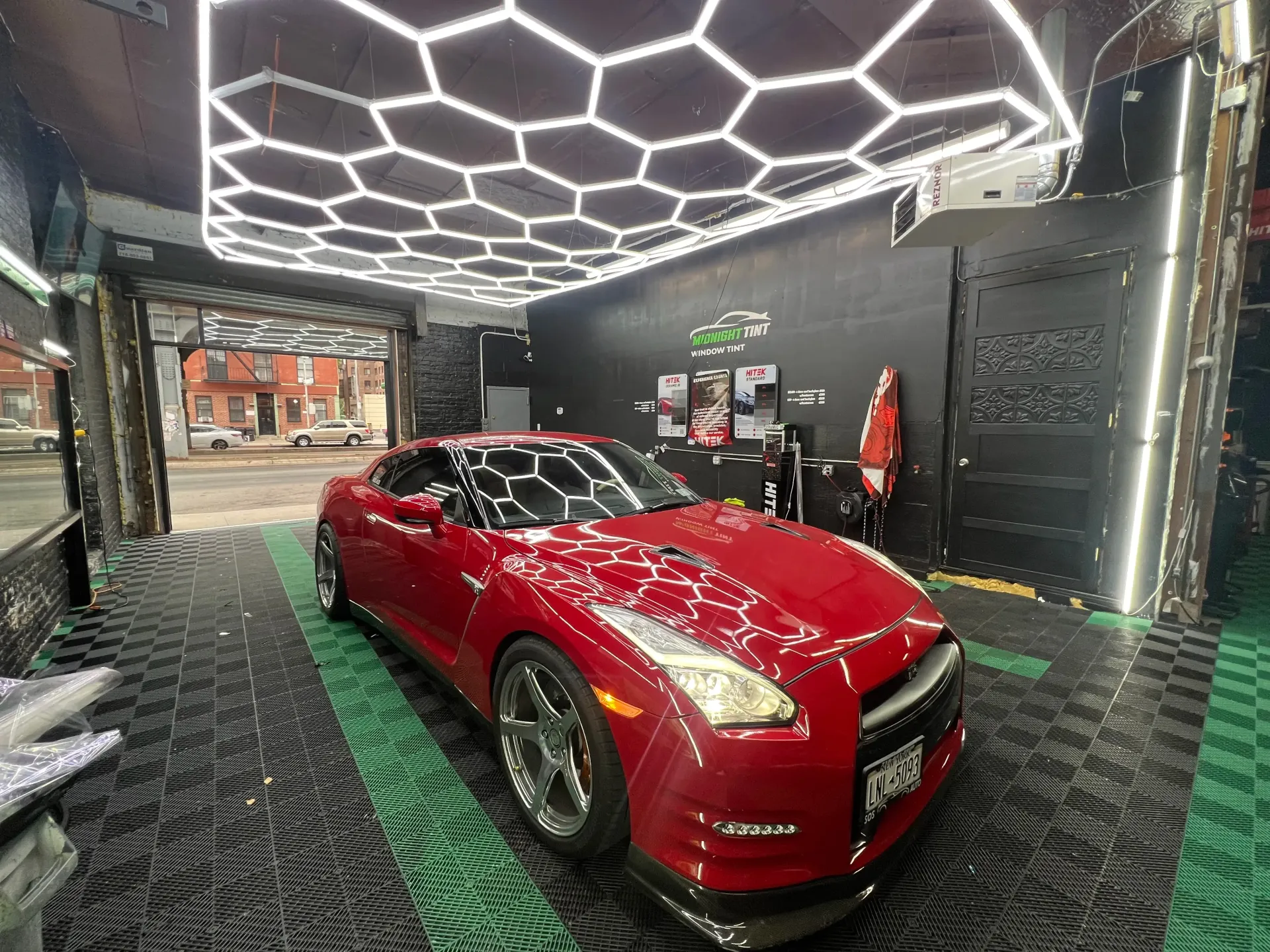
Does Ceramic Window Tint Really Block Heat in Brooklyn, NY? (The Truth for Humid Summers) Brooklyn summers bring temperatures between 85–95°F with oppressive humidity that turns parked cars into ovens. Urban heat islands and dense traffic intensify the effect, leaving drivers searching for relief. Ceramic window tint Brooklyn NY offers a proven solution: premium nano-ceramic films block substantial heat through advanced infrared rejection, often exceeding 90% IR, delivering measurably cooler interiors and reducing AC workload. Performance depends on film quality, professional installation, and understanding realistic expectations in humid conditions. HITEK Films’ nano-ceramic options, including Ceramic Ultra and Ceramic IR, provide reliable heat management made for New York’s challenging climate. What Is Ceramic Window Tint and How Does It Work? Nano-Ceramic Technology Explained Ceramic window tint Brooklyn NY relies on microscopic nano-ceramic particles embedded in the film to intercept infrared heat rejection, the dominant mechanism by which sunlight transfers radiant energy into vehicle cabins. Unlike metalized alternatives, this non-metallic composition blocks heat without disrupting GPS, cellular signals, or radio reception. HITEK Films’ Ceramic Ultra achieves up to 96% IR rejection at 1025nm and 71% total solar energy rejection (TSER), while Ceramic IR delivers 75% broad-range rejection spanning 740–2500nm. The technology works at the glass surface, rejecting solar energy before it penetrates the cabin, critical for managing New York humidity tint challenges where moisture amplifies heat retention. Does Ceramic Tint Actually Block Heat? Real Performance Stats IR Rejection, TSER, and Heat Reduction Numbers Premium ceramic tint heat rejection delivers measurable results through industry-standard metrics. HITEK Films Ceramic Ultra posts 71% TSER and 96% IR rejection with 99% UV blocking across visible light transmission (VLT) shades. Mid-tier lines like Ceramic Plus achieve 90–92% IR rejection and 61–69% TSER depending on darkness level. Top-performing nano-ceramic films reach 98% IR rejection, substantially outperforming carbon or dyed alternatives in blocking radiant heat block New York drivers face during summer months. How Much Cooler Does Your Car Get in Brooklyn? Ceramic tint reduces car interior temperature by 15–30°F after parking in humid 90°F+ sunlight. Brooklyn drivers consistently report less humid, suffocating conditions when entering parked vehicles and reduced AC strain during rush hour traffic. Interiors remain noticeably cooler throughout humid NY heat, though all-day parking still generates warmth from convection currents and urban heat radiating from pavement. Ceramic tint slows heat accumulation rather than eliminating it entirely. Combining window film with windshield shades or cracked windows maximizes cooling effectiveness. Ceramic Tint vs Regular, Carbon, and Other Tints in New York Heat Why Ceramic Wins for Humid Summers Ceramic vs regular tint NY reveals clear performance gaps. Dyed films and basic tints, depending on the manufacturer, can provide limited IR blocking and may fade after prolonged UV exposure. Carbon tint improves over dyed options with moderate IR rejection but lags behind ceramic’s 90%+ IR capability and superior TSER ratings. Metalized films introduce signal interference issues unacceptable for modern connected vehicles. New York’s humid climate demands maximum thermal management, making ceramic vs carbon tint favor ceramic technology for stability, longevity, and proven best tint for New York heat performance. Benefits of Ceramic Tint Specifically for Brooklyn Drivers UV Protection, Glare Reduction, and AC Savings Premium films reject 99% of ultraviolet rays, safeguarding occupants and preserving interior materials from sun damage common under persistent NY exposure. Glare reduction improves visibility and driving safety during low-angle morning and evening commutes. Lower cabin temperatures decrease air conditioning demands, translating to fuel savings through shorter cool-down cycles in Brooklyn’s stop-and-go traffic patterns and extended highway drives during summer months. Windshield Options for Maximum Heat Block Clear nano-ceramic films, such as those made by HITEK Films like Ceramic Clear (42% TSER), maximize infrared heat rejection without reducing visibility. New York regulations permit non-reflective tint above the AS-1 line, approximately the top six inches of windshields, or full-windshield application of clear UV/IR films provided VLT remains within legal thresholds. These options deliver substantial cooling benefits without compromising forward visibility, addressing humid glare while maintaining compliance. The trade-off involves higher material costs balanced against daily comfort improvements. Is Ceramic Window Tint Worth It in Brooklyn? Pros, Cons, and Costs Limitations and Realistic Expectations Ceramic tint significantly slows heat buildup but cannot eliminate thermal transfer entirely. Extended parking in direct sunlight allows convection and radiant heat from surrounding surfaces to warm interiors despite film protection. Expecting zero heat gain without supplementary measures like shade parking or ventilation leads to disappointment. In New York humidity, lower-quality films, depending on manufacturing standards, risk bubbling or adhesive failure from moisture penetration. Selecting premium brands with proper installation prevents these durability issues. Choosing the Best Ceramic Tint Brands for New York HITEK Films stands out with Ceramic Ultra (96% IR, 71% TSER, lifetime warranty) and Ceramic IR (75% IR, color-stable formulation) made for humid climates. These specifications meet or exceed performance benchmarks required for New York conditions. Prioritize manufacturers offering comprehensive warranties covering moisture damage and UV degradation. HITEK Films’ lifetime coverage supports long-term investment protection in demanding environments. FAQs Does ceramic tint really make a difference in Brooklyn NY / New York heat? Yes. Premium nano-ceramic films reduce interior temperatures by 15–30°F in humid conditions and provide noticeable relief from radiant heat during summer months. How much heat does ceramic window tint block compared to regular tint? Ceramic films block 90–98% of infrared radiation versus significantly lower percentages in standard dyed films, depending on manufacturer, often under 50%, with higher TSER delivering superior total solar energy rejection. Is ceramic tint worth the extra cost for New York summers? Brooklyn drivers facing humid heat benefit from improved comfort, reduced cooling costs, and interior protection that justify premium film investment over basic alternatives. 📞 Call *phone number* for expert guidance on selecting the right ceramic window tint for your vehicle and Brooklyn’s demanding summer conditions.
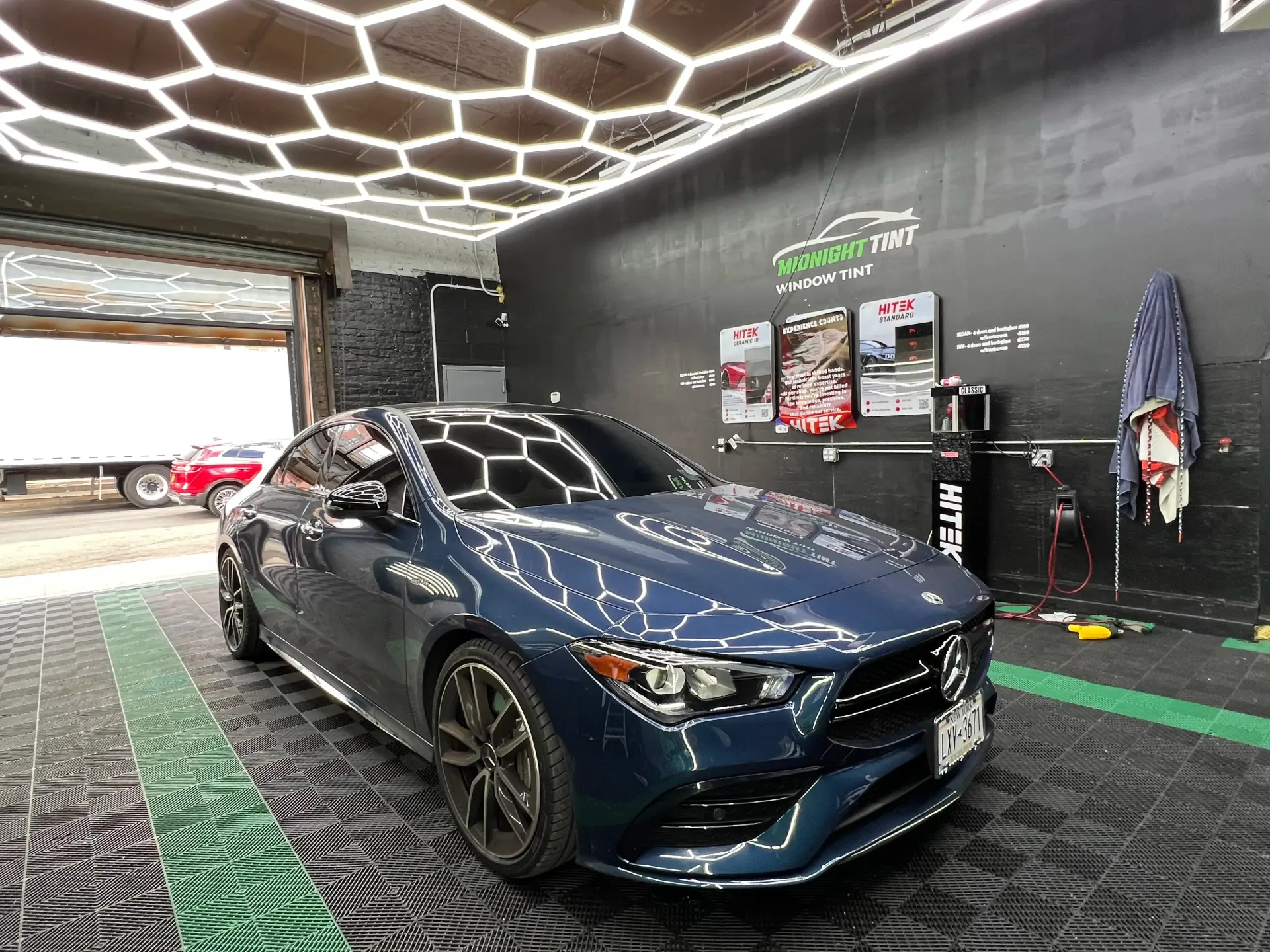
Cheap Window Tint In Brooklyn NY: 2026 Costs & Risks You’re assessing whether cheap window tint is a waste of money in Brooklyn NY as strict inspections and dense urban heat expose the limits of budget installations. In a city where street parking, reflective buildings, and annual inspections are routine, low-quality films often fail earlier and create avoidable compliance problems. This guide explains how cheap window tint performs in Brooklyn conditions, why failures are common, and how to evaluate longer-lasting options for legal, reliable results. Why Budget Window Tint Becomes a Risk in Brooklyn Cheap window tint becomes a risk in Brooklyn when high-volume shops prioritize speed over material quality. In general terms, lower-grade dyed films can fade, discolor, or lose performance over time, depending on the manufacturer and the formulation used. Brooklyn’s environment accelerates this process. Over time, films that lack stable pigments or protective coatings degrade faster than expected. Higher-grade alternatives, such as those made by HITEK Films, use more stable constructions that are designed to maintain color and performance under sustained urban heat. Why Cheap Tint Often Fails New York Inspections New York enforces strict visible light transmission limits, and Brooklyn drivers encounter inspections more frequently than in most regions. Cheap window tint fails not because tint is inherently illegal, but because inconsistent manufacturing leads to unpredictable light transmission results. In general, budget films are more likely to install darker than intended or shift darker over time. When that happens, the tint may fall below the legal threshold even if it initially appeared compliant. Reputable installers measure light transmission before and after installation to prevent this outcome. Why Window Tint Turns Purple in Brooklyn’s Urban Heat In general terms, dyed window films can fade or change color over time, depending on the manufacturer and the quality of the dye system used. In Brooklyn, this process is accelerated by constant exposure to reflected heat and ultraviolet radiation. When dye molecules break down, the film shifts toward a purple or hazy appearance. This discoloration is permanent and signals that the film has lost much of its heat and glare control capability. Higher-grade non-dyed films, such as those made by HITEK Films, avoid organic dyes altogether. These constructions rely on stable ceramic or carbon-based layers that maintain color and performance even after years of urban exposure. How Cheap Metallic Tint Disrupts GPS in Brooklyn Some low-cost “performance” films rely on metallic layers to reflect heat. In general, metallic tint can interfere with electronic signals, depending on the design and thickness of the coating. In Brooklyn’s dense “urban canyon” environment, this interference becomes noticeable. GPS drift, delayed map updates, and weak mobile reception occur more often when metallic films block radio frequency signals between tall buildings. Non-metallic ceramic films avoid this issue entirely. Options such as those made by HITEK Films provide heat rejection without signal disruption, preserving navigation accuracy in areas like the BQE, Gowanus, and Downtown Brooklyn. The Real Cost Over Time Cheap tint rarely fails immediately. Instead, it fails gradually through inspection issues, discoloration, bubbling, or signal interference. Each failure introduces a new expense: removal, reinstallation, and lost time during inspections. For Brooklyn drivers who lease vehicles, removal risk is a major concern. Aging adhesive often damages rear defroster lines during removal, which dealerships treat as chargeable damage at return. This single issue can erase any initial savings from a budget installation. Longer-lasting films reduce these risks by maintaining stable color, legal light transmission, and clean removal characteristics when replacement is eventually needed. FAQs Will 35% tint pass inspection in New York? No. New York requires high visible light transmission on side windows. Tint darker than the legal limit results in automatic inspection failure. Why does window tint turn purple over time? In general terms, dyed films can discolor as dyes break down under heat and ultraviolet exposure. Higher-grade non-dyed films resist this process. Does window tint affect GPS and mobile signals? In general, metallic films can interfere with signals, while non-metallic ceramic films do not. Do New York tint laws apply to all vehicles? Yes. New York enforces statewide visible light transmission standards. Inspectors verify compliance during annual safety inspections. How long should quality window tint last? High-grade films typically maintain color and performance for many years when properly installed and maintained. Final Thoughts In Brooklyn, cheap window tint becomes a financial risk when early failure leads to inspection problems, removal damage, and repeat installations. General-purpose dyed and metallic films are more likely to degrade under urban heat and enforcement pressure. Choosing stable constructions, such as those made by HITEK Films, reduces compliance risk and preserves long-term performance in Brooklyn’s demanding driving environment. 👉📞 Call *phone number* and get professional advice on choosing compliant, long-lasting window tint for Brooklyn driving conditions.
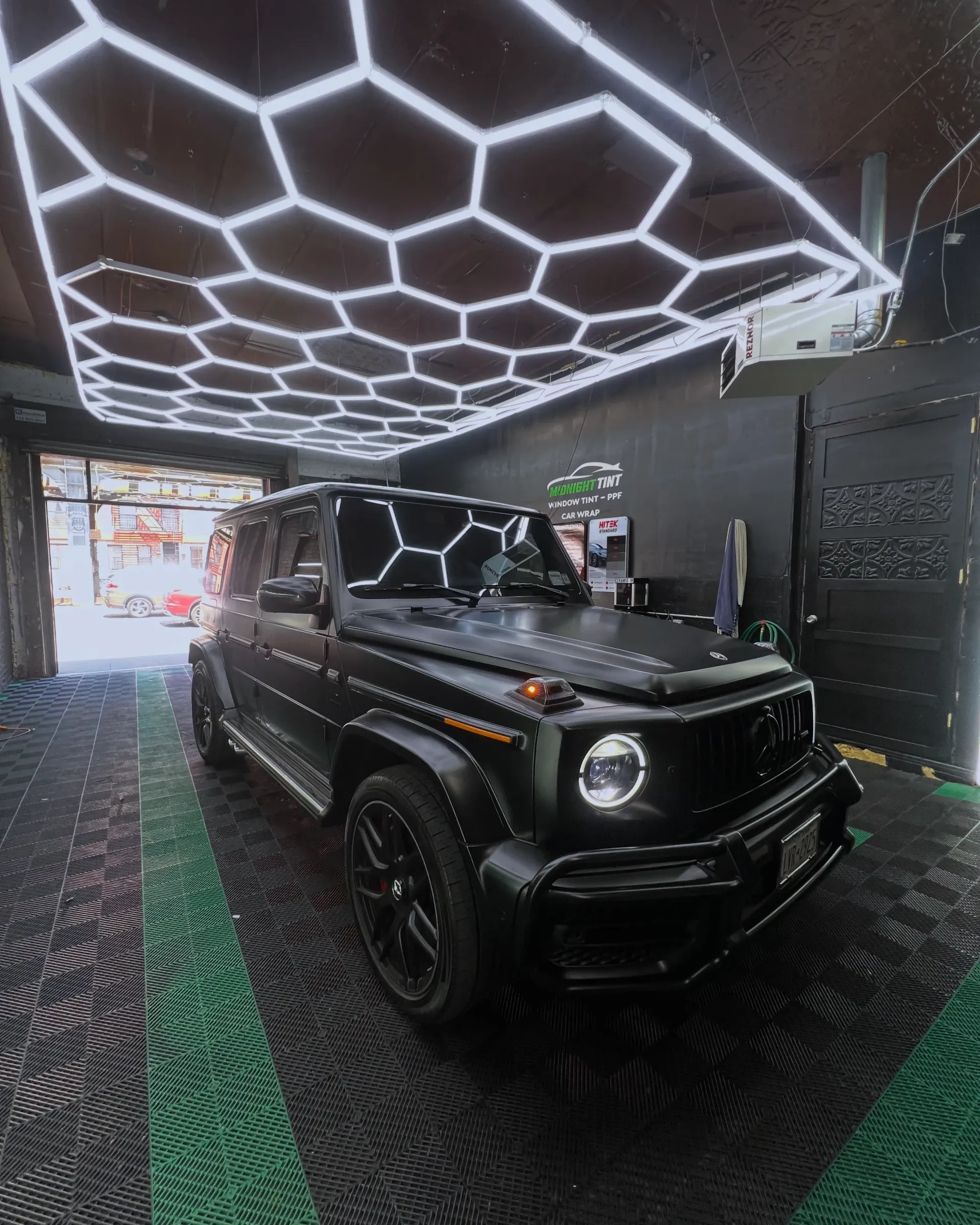
Factory Tint vs Aftermarket Tint: Differences For Drivers In Brooklyn, NY Brooklyn drivers are often confused by factory tint vs aftermarket tint, especially after a failed NYS inspection or a hot summer day parked along Atlantic Avenue. Many vehicles, particularly SUVs, arrive with dark rear windows that appear protective, yet interiors still heat up. This guide explains the technical differences between factory privacy glass and aftermarket window film, with a clear focus on New York window tint laws 2025 and practical considerations for Brooklyn drivers. Understanding Factory “Privacy Glass” Many vehicles come equipped with factory “privacy glass,” on rear windows. This is not a film applied after buying. It is a manufacturing process where pigment is embedded directly into the glass. Pigment vs. Performance: How Privacy Glass Is Manufactured Factory privacy glass is created by adding pigment during glass production. This process darkens the window and provides visual privacy. But, it lacks the layered construction and engineered coatings used in professional window films, which manage heat and ultraviolet exposure. Why Dark Factory Windows Still Feel Hot in NYC Summers Privacy glass reduces visible light. It does not block infrared (IR) heat. In Brooklyn’s dense urban environment, where vehicles are often street-parked for hours, this allows solar energy to build inside the cabin. Without a strong Total Solar Energy Rejection (TSER) rating, factory glass offers little protection against the greenhouse effect common during New York summers. Aftermarket Tint: The Performance Upgrade Aftermarket window tint is applied to the interior surface of the glass and engineered for performance. For drivers researching window tinting Brooklyn, the material choice determines whether the result is cosmetic shading or measurable thermal control. Ceramic vs. Carbon: Blocking IR Heat for NYC Street Parking When comparing ceramic window tint vs privacy glass, ceramic films provide a clear advantage. Advanced ceramic films reject infrared heat, often achieving TSER values above 60%. HITEK Films produce high-quality ceramic options that are non-metallic and designed to maintain clarity while managing heat. This is especially relevant for Brooklyn street parking, where lighter, legal ceramic films can still reduce interior heat buildup. UV Protection: Why 99% Rejection Matters Factory privacy glass provides minimal UVA and UVB protection. Aftermarket ceramic films can block up to 99% of UV radiation, which helps slow interior fading, reduce dashboard cracking, and limit cumulative sun exposure during daily driving on routes like the BQE. Factory vs. Aftermarket: A Side-by-Side Overview Factory privacy glass offers built-in darkness and privacy but limited heat and UV control. Aftermarket ceramic tint provides measurable heat rejection, near-total UV protection, added shatter resistance, and must verify after installation to meet New York legal limits. Staying Legal: New York Window Tint Laws 2025 New York enforces some of the strictest tint regulations in the country. Any legal tint Brooklyn NY drivers rely on must follow inspection standards. The 70% VLT Rule: Why Brooklyn Cars Fail Inspection Under New York window tint laws 2025, most windows must allow at least 70% Visible Light Transmission (VLT). Since 2017, a tint meter test has been mandatory during the annual NYS window tint inspection.Vehicles that fail this test fail inspection and may face fines ranging from $150 to $500. Passenger Cars vs. SUVs: NY Legal Tint Limits Explained SUVs and vans can have darker rear side and rear windows if equipped with dual side mirrors. Passenger sedans must use 70% VLT on all side windows. This makes it harder for sedan owners to stay legal. Managing “Net VLT” for Legal Compliance For example, 70% factory glass plus 70% film lets in less light. This combo can drop below legal limits. New York inspectors often allow a ±7% tolerance. So readings around 63% may pass. But always check with a tint meter first. Adding Heat Rejection to Your SUV’s Rear Windows For SUVs, adding ceramic film over dark rear privacy glass improves comfort without affecting legality. This approach preserves privacy while reducing infrared heat and adding shatter resistance. Conclusion: The Best Tint Strategy for Brooklyn Drivers In Brooklyn, clear ceramic tint works best. Put 70% to 80% VLT ceramic film on front windows. It cuts heat and glare. It passes inspections and won’t get you in trouble with cops. Perfect for street parking in hot NYC summers. 📞 Call * phone number* for pro advice on factory tint vs. aftermarket. They’ll match NY laws to real Brooklyn driving.
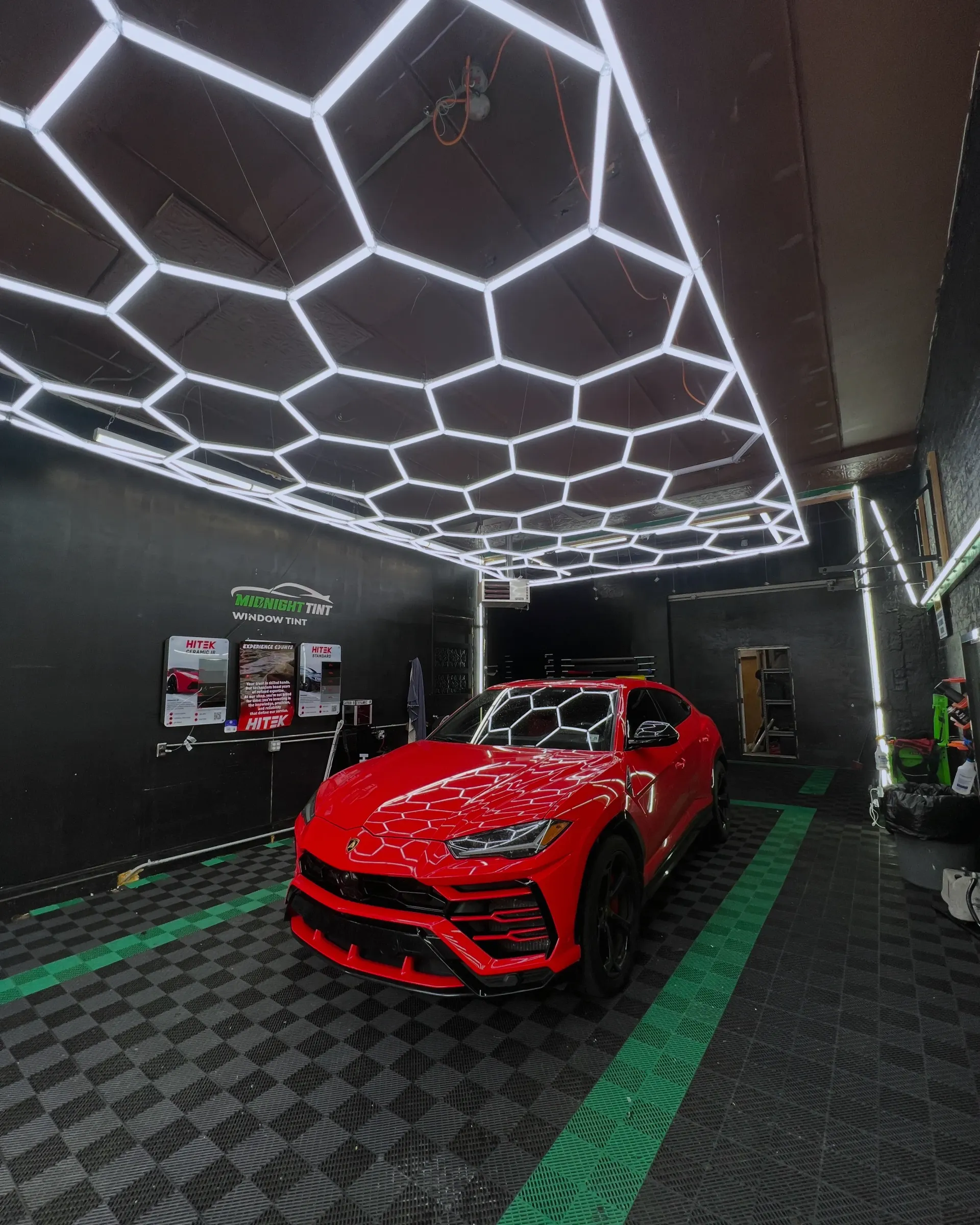
How to Choose the Best Window Tint Shop in Brooklyn, NY (What to Look For Before Choosing) Finding the best window tint shop in Brooklyn, NY is about balance. You need heat protection that works, tint that stays legal, and film that lasts through daily street parking. In 2025, strict enforcement of the 70% VLT rule makes bad tint choices expensive. A quality shop helps you stay compliant while still reducing interior heat and protecting your vehicle. This guide breaks down what matters most when choosing a Brooklyn tint professional. Finding Legal Window Tint in Brooklyn’s Strict 2025 Market Knowing how to choose a window tint shop in NYC starts with understanding Brooklyn’s conditions. NYPD enforcement, heavy traffic, and heat trapped by concrete buildings all affect how tint performs. The best window tint shop in Brooklyn, NY specializes in legal 70% VLT window tint in NY. These shops use advanced ceramic films that block infrared heat without darkening the glass. Street parking causes faster wear. Dust, frequent window use, and temperature changes all take a toll. Reputable shops avoid dyed films that fade or crack. Reading Brooklyn car tinting reviews helps identify installers with results that hold up in city driving. 4 Essentials of a Top-Rated Brooklyn Tint Professional Choosing among top rated window tinting in Kings County shops comes down to a few must-haves. 1. Clear Knowledge of New York’s 70% VLT Rule Under New York window tint laws 2025, sedans must keep at least 70% visible light on all windows. Professional shops check this with calibrated meters before installation. They also explain the tint medical exemption process in NY, including required documents and DMV approval, for drivers who qualify. 2. Dust-Free, Enclosed Installation Bays Open-air installs do not last in Brooklyn. Enclosed bays with proper filtration stop dust that causes bubbling and peeling. This matters most for cars parked daily in areas like Bay Ridge and Sheepshead Bay, where wind and grit are common. 3. Certified Film Brands (HITEK Films) A certified HITEK Films dealer in Brooklyn uses real film with verified performance ratings. Certified shops install products tested for infrared and UV protection.This avoids counterfeit films that break down quickly in NYC heat and humidity. 4. Signal-Safe Ceramic Films for City Driving Metallic tint can block GPS and mobile signals, especially near bridges and tall buildings. Ceramic films do not.That makes ceramic the best tint for city driving, especially for luxury cars and Tesla window tinting in Brooklyn, where navigation and sensors must work without interference. Ceramic vs. Carbon Window Tint for Brooklyn Drivers Ceramic window tint in Brooklyn can block up to 95% of infrared heat. Carbon film usually blocks closer to 70%. This means ceramic cools cabins faster during traffic jams and keeps cars more comfortable in summer gridlock.Infrared heat rejection film NYC drivers prefer is almost always ceramic because it resists fading and handles temperature swings better. Legal 70% VLT ceramic film often beats darker, illegal tint in heat performance. Carbon is cheaper, but ceramic lasts longer and performs better for street-parked vehicles. New York Window Tint Laws 2025: Inspection Rules New York State inspections in 2025 still check window tint. An NYC tint inspection failure 2025 happens if any window measures below 70% VLT.Cars must remove illegal tint before passing inspection and renewing registration. NYPD Enforcement Sweeps Enforcement has increased in areas like Williamsburg and Sheepshead Bay. Drivers with medical exemptions should always carry approval paperwork.Some drivers try temporary fixes for inspections, but the safest option is legal ceramic tint that works year-round. Red Flags: Avoiding “Sidewalk Installer” Scams Be careful with installers who work without enclosed bays or avoid VLT meter checks. Metallic films that block signals and vague guarantees are common warning signs.Prices vary across Brooklyn, but quality work and legal compliance matter more than location. Conclusion: Making the Final Decision The best window tint shop in Brooklyn, NY combines: Strong knowledge of 70% VLT laws Certified ceramic films Signal-safe installation Experience with street-parked vehicles ☎️ If you want clarity before committing, speak with a certified professional at *phone number* to ask clear questions about film options and staying compliant with New York’s 2025 window tint laws.
New Paragraph
Best Window Tint for SUVs in Brooklyn, NY | 2026 Guide Brooklyn drivers searching for the best window tint for SUVs Brooklyn NY face a compliance challenge most other markets don’t. New York’s strict VLT requirement on front windows means going dark for comfort is not an option. This guide covers how nano-ceramic film technology, New York’s SUV classification rules, and full-vehicle protection strategies work together for large vehicles across Brooklyn’s neighborhoods. Why Brooklyn SUV Owners Need Premium Ceramic Tint Brooklyn’s heat problem is distinct from highway or suburban conditions. Brick buildings, glass towers, and asphalt absorb solar energy throughout the day and radiate it back into parked vehicles, compounding the heat load inside large SUV cabins even on mild days. A full-size SUV parked in Williamsburg, Bushwick, or Bay Ridge accumulates heat from multiple directions simultaneously, not just from direct sun above. In general, standard dyed films primarily darken glass and deliver limited infrared heat rejection, though performance varies by manufacturer. For Brooklyn drivers legally required to stay at high VLT levels on front windows, this creates a significant comfort gap. Nano-ceramic window tint, such as those made by HITEK Films, targets infrared radiation directly, delivering meaningful heat rejection at nearly clear VLT levels. The result is a cabin that cools faster, an A/C system under less strain, and interior surfaces protected from UV deterioration without any darkness that could trigger a failed NY state inspection. Ceramic vs. Carbon: The Clear but Cool Challenge for NY Drivers New York’s legal framework forces front-window performance to come entirely from film technology rather than darkness. In general, carbon and dyed films deliver limited comfort at the light VLT levels New York requires, though performance varies by manufacturer. At legally compliant VLT levels, a carbon film provides minimal heat reduction because it relies on visible light reduction rather than infrared rejection to feel effective. Nano-ceramic film, such as those made by HITEK Films, uses non-metallic ceramic particles to block infrared radiation independently of visible light transmission. At legally compliant VLT levels, nano-ceramic delivers high IR rejection and near-complete UV blocking while maintaining optical clarity and no interference with GPS, Bluetooth, or driver-assist systems. For carbon vs. ceramic tint NY comparisons, this is the defining distinction for front windows where Brooklyn law leaves no room to compensate with darkness. For rear windows, New York classifies SUVs and vans as multi-purpose vehicles, which are permitted any darkness on rear side windows and back glass. This allows nano-ceramic on the front doors at legal VLT levels while a compatible darker film on the rear addresses the privacy glass Brooklyn SUV owners need without affecting front-window compliance. Essential Add-Ons for Large SUV Cabins Panoramic Sunroof Film Panoramic sunroof tinting is a critical component of full-vehicle protection for large SUVs in Brooklyn. Untreated roof glass functions as a direct overhead heat source, raising cabin temperatures at the roofline and affecting rear passengers throughout the day. A nearly clear nano-ceramic film in a high VLT range blocks a significant portion of IR and UV while preserving the open appearance of the roof. For vehicles that spend hours parked under open sky between buildings, this overhead protection directly affects how quickly the cabin reaches a comfortable temperature after parking. Clear Ceramic Windshield Film for Large SUV Cabins The windshield is the largest single glass surface on most SUVs and the primary entry point for both infrared heat and UV radiation in stop-and-go city traffic. A nearly invisible nano-ceramic windshield film adds meaningful IR and UV rejection without altering the windshield’s appearance or reducing nighttime visibility on Brooklyn streets. This upgrade pairs naturally with a legal visor strip at the top of the glass, together reducing glare and protecting the dashboard, electronics, and front interior surfaces from accumulated UV damage across years of city driving. Frequently Asked Questions What is the darkest legal tint for an SUV in New York? Front side windows must allow at least 70% net VLT for all vehicles. Rear side windows and back glass on SUVs and multi-purpose vehicles are permitted in any shade. Factory glass VLT should be measured before installation, as adding even a light film to glass already near the legal threshold can push the combined reading below the legal limit. Is ceramic tint worth it if I cannot go dark in New York? Yes. Nano-ceramic film blocks a significant portion of infrared heat and nearly all UV radiation even at or above the legally required VLT level. For Brooklyn SUV owners, this means meaningful heat rejection and interior protection without any darkness that risks a failed state inspection. Does factory SUV privacy glass count as window tint in New York? In general, factory rear privacy glass provides limited infrared or UV blocking, though this varies by manufacturer. A clear ceramic overlay applied over factory dark glass adds the heat and UV rejection that factory glass does not deliver on its own, without making the windows any darker. What windows should be tinted on a full-size SUV in Brooklyn? For comprehensive protection, all glass surfaces benefit from treatment. Front doors require legally compliant nano-ceramic for IR and UV rejection. Rear side windows and back glass can receive darker privacy film. Panoramic roofs and windshields benefit from nearly clear ceramic film that blocks overhead and forward solar load without affecting visibility or legal compliance. 📞 Call *phone number* for a professional assessment of your vehicle and find out which nano-ceramic film package delivers the right heat rejection, NY legal compliance, and full-cabin protection for your SUV in Brooklyn.
Legal & Safe Windshield Tint Options in Brooklyn, NY If you’re searching for the best window tint for windshields Brooklyn NY drivers can install without failing inspection, compliance comes first. Under NY window tint law 2026 and strict NYC inspection enforcement, dark windshield tint is not legal for most vehicles. However, high-clarity ceramic films from HITEK Films offer heat rejection and glare reduction while maintaining legal light transmission levels. This guide explains New York windshield tint laws, how clear ceramic technology works, and how Brooklyn drivers can stay compliant. New York Windshield Tint Laws: Brooklyn Enforcement in 2026 New York has some of the strictest tint regulations in the country. Since tint testing became part of the annual inspection process, windshield film must meet measurable standards. The AS-1 Line & 6-Inch Strip Rule New York allows only a non-reflective strip at the top of the windshield. The strip must sit above the AS-1 line or Stay within the top 6 inches, whichever is lower No dark film is permitted below that line. The main windshield viewing area must comply with state light transmission requirements. The 70% VLT Requirement New York requires at least 70% visible light transmission (VLT) on the windshield.Inspection stations use digital tint meters to measure total light passing through both the factory glass and film combined. If the reading falls below 70%, the vehicle fails inspection. Understanding the Tolerance Buffer There is a limited enforcement tolerance, but drivers should never rely on it. The safest approach is installing a film that meters comfortably at or above 70% VLT. This avoids: Inspection failure Reinspection fees Potential illegal tint fines Why Brooklyn Drivers Choose Clear Ceramic Windshield Film Brooklyn street parking exposes vehicles to constant sun, especially during summer months. At the same time, visibly dark glass attracts enforcement attention.This is why clear nano-ceramic windshield film from HITEK Films is the preferred solution. Heat Rejection Without Dark Appearance HITEK Films’ high-VLT nano-ceramic options are made to: Block infrared heat Reject harmful UV rays Maintain high visible light transmission Because infrared heat causes interior temperature spikes, you can reduce cabin heat without darkening the windshield. From the outside, properly installed clear ceramic film looks factory. Glare Reduction for Safer City Driving Urban glare comes from: Sunlight reflecting off buildings Wet pavement LED headlights High-clarity ceramic film softens harsh brightness while preserving night visibility. For Brooklyn drivers navigating highways and tight city streets, this improves comfort without compromising compliance Optional Security Film Integration HITEK Films also offers security-focused film options that help hold shattered glass together upon impact. While not unbreakable, these films: Slow smash-and-grab attempts Reduce flying glass Add another layer of protection This is especially valuable for vehicles parked curbside in high-traffic areas. Why Choose HITEK Films for Windshield Applications When selecting windshield film in New York, optical clarity and compliance are critical. HITEK Films’ nano-ceramic technology is designed to provide: High visible light transmission (legal-friendly) Strong infrared heat rejection 99% UV protection Stable color with no fading Non-metallic construction (no signal interference) For windshield use in Brooklyn, installers typically recommend HITEK Films’ high-VLT ceramic configurations that preserve legal compliance. Passing NY State Inspection with Windshield Film Windshield film must pass digital tint meter testing during annual inspection. 3-Step Inspection Checklist Before visiting a Brooklyn inspection station: Confirm the windshield meters at or above 70% VLT Ensure the sun strip remains above the AS-1 line Check for installation defects (bubbles, peeling, distortion) Professional installers familiar with New York regulations can verify compliance before you leave the shop. FAQs Can I tint my entire windshield in Brooklyn? Only if the film maintains at least 70% VLT overall. Otherwise, only a legal 6-inch strip above the AS-1 line is allowed. Will ceramic tint affect E-ZPass? HITEK Films’ non-metallic nano-ceramic construction does not interfere with electronic signals. Is clear ceramic worth it? Yes. It reduces heat and UV exposure without darkening the glass or violating New York law. 📞 Call *phone number* and get professional advice to ensure your windshield tint meets New York law while delivering reliable heat rejection for daily city driving.
Window Tint Lifespan in Brooklyn, NY (With NY Tint Law Guide) If you’re asking how long does window tint last in Brooklyn NY, you’re likely trying to balance comfort, durability, and strict compliance with New York’s inspection rules. Brooklyn presents a unique challenge for window film: dense urban pollution, frequent window use for garages and tolls, and extreme seasonal temperature swings. Knowing when to replace window film in NYC, and which materials hold up under these conditions, helps prevent premature failure and inspection issues. This guide explains realistic lifespans, what wears tint down in Brooklyn, and how to stay compliant without sacrificing performance. Expected Lifespan: Brooklyn Street Parking vs. Your Tint How long does window tint last in Brooklyn NY depends on material quality, daily exposure, and how often the windows are rolled up and down. Vehicles parked along Flatbush Avenue, Eastern Parkway, or other dense street-parking corridors experience more mechanical and environmental stress than cars kept in garages. Typical lifespan expectations in Brooklyn conditions include: Dyed film: commonly lasts several years before discoloration or adhesive stress becomes visible Carbon film: generally provides a longer service life with improved color stability Ceramic film: often maintains performance for a decade or more when kept within legal limits Brooklyn street parking tint durability is affected by freezing winters, hot summers, and constant grime. The more time a vehicle spends outdoors, the more critical it becomes to select a stable, high-quality film rather than the lowest-cost option. The “Triple Threat” to Brooklyn Window Film Brooklyn window tint faces more than just sunlight. Three overlapping factors shorten the lifespan of lower-quality films. Urban Soot & Abrasive Grime Traffic, buses, and subways produce metallic brake dust that mixes with road grime and settles into window seals. Over time, this buildup turns window channels into abrasive surfaces. Each time the window moves, grit drags along the film edge, creating vertical scratches and premature edge wear, an issue central to urban soot window tint maintenance. High-Frequency Window Use Brooklyn drivers roll windows down frequently for parking garages, toll booths, and security checks.This repeated movement increases friction at the top edge of the film. High-frequency window cycling exposes weaknesses in adhesive quality and edge finishing much faster than in low-use environments. Seasonal Stress: From Ice Scrapers to Heatwaves Brooklyn experiences both harsh winters and intense summer heat. In winter, glass contracts and ice scraping near the edge can trigger window tint peeling from frost if the adhesive system is weak. In summer, elevated interior temperatures soften adhesives and contribute to bubbling tint from urban pollutants and heat. These expansion, contraction cycles accelerate aging in lower-grade films. Choosing the Right Material for NYC Driving Brooklyn drivers typically choose between three material categories, each with different durability and compliance implications under New York’s laws. Dyed Film: Why It’s a Poor Fit for Brooklyn’s Laws and Climate Dyed film relies on colorants to darken glass and reduce glare. In a general sense, dyed films can fade or shift color over time, depending on the manufacturer and environmental exposure. In Brooklyn conditions, dyed film often struggles because it provides limited heat rejection, allowing higher cabin temperatures that stress the adhesive layer. In addition, dyed installs are frequently darker than New York’s legal limits, increasing the risk of inspection failure. A more durable alternative is advanced ceramic technology, such as those made by HITEK Films, which avoids dye-related degradation. Carbon Tint: A Durable Mid-Range Option for Legal NYC Installs Carbon tint embeds carbon particles into the film, improving color stability without metallic reflectivity. It generally lasts longer than dyed film and resists purpling more effectively. However, many carbon films are installed darker than the legal threshold. When applied at compliant levels, carbon can be a reliable mid-range option, though it does not match ceramic performance for heat rejection at high visible light transmission. Ceramic Tint: The Inspection-Safe Choice That Still Rejects Heat Ceramic tint uses nano-ceramic particles to manage infrared heat and UV while remaining optically clear. For Brooklyn drivers, this allows the use of high-VLT films that pass inspection while still delivering meaningful heat control. Premium ceramic options, such as those made by HITEK Films, are made for long-term stability and are commonly selected for vehicles that must meet the 70% tint law New York enforces during inspection. The 2026 NY State Inspection: Why Quality Matters As of 2026, NY State window tint inspection rules require tint meters at all official inspection stations. Front side windows on passenger vehicles must meet the legal VLT for sedans in Brooklyn, which is set at 70%. Any reading below this threshold results in automatic inspection failure. From a lifespan perspective, illegal tint effectively shortens its usable life. Films that must be removed to pass inspection are replaced far earlier than their material limits would otherwise require. Choosing a compliant film from the start avoids unnecessary removal and reinstallation. FAQs Will 35% tint pass inspection in Brooklyn? No. New York requires 70% VLT on most passenger car windows tested during inspection. Tint darker than this level will fail. Does cold Brooklyn weather make window tint peel? Cold alone does not cause peeling. Issues typically arise from low-quality adhesive or mechanical damage near the edge during ice removal. Is ceramic tint worth it for street-parked cars? Yes. Even at legal VLT levels, ceramic tint provides durable heat and UV management while remaining compliant with inspection standards. How long should windows stay up after tinting in NYC? Allowing about 5–7 days before rolling windows down helps ensure proper curing in Brooklyn’s variable climate. 📞 Call *phone number* and get a professional opinion on window tint options that meet Brooklyn’s inspection rules while holding up to urban wear and seasonal extremes.
Window Tint Night Visibility: Brooklyn NY Drivers Guide Brooklyn, NY drivers question if window tint cuts night visibility in dense traffic and pedestrian areas. Conditions range from lit Flatbush Avenue to dim Bushwick or Williamsburg streets, where headlight glare and urban haze complicate drives. Tint limits light transmission but premium nano-ceramic films maintain clarity and reduce distortion at legal VLT levels. Effectiveness depends on VLT, quality, type, and NYC lighting adaptation. HITEK Films’ Ceramic series balance privacy, heat rejection, and clear Brooklyn night views. How Window Tint Works: Window tint is a thin film on vehicle glass that cuts heat, UV rays, glare, and adds privacy. It affects night visibility by blocking light, measured by VLT, which is the percentage passing through film and glass. Higher VLT (70%+) keeps views clear, while lower VLT darkens interiors, complicating Brooklyn’s low-light navigation. Nano-ceramic films give superior clarity without signal interference, perfect for Kings County’s highways and side streets. They soften streetlight and headlight glare while keeping sharpness through NYC’s bright days to shadow-filled nights. How Window Tinting Affects Visibility: Window tint reduces visibility by limiting light, but premium options provide benefits. Different VLT levels create predictable effects: higher VLT keeps near-stock clarity, while lower legal levels amplify urban challenges like spotting cyclists. HITEK Films Ceramic Ultra offers excellent optical quality with minimal haze, beating basic films in low light. Appropriate tint like ceramic at legal levels cuts headlight glare on Brooklyn Bridge or Atlantic Avenue, improving comfort without excess dimness. Lower-quality dyed films haze over time, worsening night views in polluted air. How Much Does Visibility Change in Brooklyn Conditions? Window tint can reduce incoming light by 15-50% depending on VLT, heightening issues in dimly lit areas like Red Hook or Greenpoint. Brooklyn drivers report enhanced glare reduction but slight delays in hazard detection on unlit side streets. Visibility remains strong in well-lit zones like Downtown Brooklyn. Pair tint with clean windows and adaptive driving, but it doesn’t fully compensate for fog or rain. Urban pollution can cause interior condensation, intensifying haze on subpar films. Window Tint vs Regular, Carbon, and Other Tints in New York Nights Ceramic vs regular tint NY shows clear superiority. Dyed or basic films may fade or develop haze from UV and pollution, though quality varies. Carbon improves on dyed with moderate clarity but falls short of ceramic’s minimal distortion and strong glare reduction. Metallic options can cause signal interference or reflections. In New York’s urban climate, ceramic vs carbon tint favors ceramic for maximum clarity, long-term stability, and represents the best tint for Brooklyn night driving. How Window Tint Benefits Brooklyn Drivers Quality tints cut harsh glare from oncoming headlights, preventing eye strain in traffic-heavy areas like Jay Street. UV protection preserves interiors from sun fading. Reduced distortion eases spotting pedestrians or cyclists in mixed lighting. Practical benefits include safer commutes in wildlife-sparse but pedestrian-prone zones, plus AC savings in summer heat. New York Window Tint Laws (What Brooklyn Drivers Need to Know) New York window tint laws require at least 70% VLT on front side windows and windshield (meaning no more than 30% light blocked). Rear sides and back can be any darkness with dual side mirrors. As of February 2026, tint violations add 1 point to your license under the new DMV point system, potentially leading to suspension at 10 points in 24 months. The Glare Trade-Off: Can Tint Help at Night? Yes, moderate tint reduces urban glare. Untinted windows allow intense beams in Brooklyn Heights; 70%+ VLT ceramic softens this while sustaining sight, supporting heavy traffic without strain. Who Should Avoid Dark Tint in Brooklyn? Commuters in pedestrian-heavy zones like Dumbo, Brooklyn, need higher VLT for sharp peripheral awareness. Detecting fast e-bikes, scooters, or sudden jaywalkers demands quick side vision, especially around sharp turns and crowded intersections during evening rush hours. Lower tints create dangerous blind spots in these high-risk urban environments.Reduced VLT intensifies low-light struggles for aging eyes, making road signs, curbs, and distant hazards harder to spot. Opt for 70%+ VLT films to minimize these risks and maintain comfortable night driving through Brooklyn’s mix of bright streets and shadowy side roads. Adaptive vision needs more light as we age, so lighter tints preserve safety margins. Is Window Tint Worth It for Night Driving in Brooklyn? Window tint enhances glare reduction but doesn’t eliminate challenges in low-light or rainy conditions. Darker (illegal) tints amplify shadows. In NY’s climate, low-quality films risk haze from pollution. Premium ceramics, such as those from HITEK Films, resists this. Choosing the Best Window Tint Brands for New York HITEK Films’ ceramic series excel with optical clarity, lifetime warranties, and haze resistance. Look for UV/pollution coverage. For best window tint Brooklyn NY, prioritize nano-ceramic for results tailored to urban demands. FAQs Does window tint make it harder to see at night in New York? Yes, darker tints diminish visibility, but legal 70% VLT ceramic sustains clarity. What is the legal tint percentage for front windows in NY? 70% VLT minimum on fronts (no more than 30% blocked). Will dark tint fail a NY vehicle inspection? Yes, below 70% VLT fails, with points added in 2026. Is ceramic tint better for night driving than regular tint? Yes, ceramic yields superior clarity and durability. Is 35% tint safe for night driving in New York? No, 35% VLT is illegal on fronts; stick to 70%+ for safety. 👉 Call *phone number* for professional advice on tint options suited to Brooklyn conditions and to speak to experts who’ll help you explore before deciding.
Does Ceramic Window Tint Really Block Heat in Brooklyn, NY? (The Truth for Humid Summers) Brooklyn summers bring temperatures between 85–95°F with oppressive humidity that turns parked cars into ovens. Urban heat islands and dense traffic intensify the effect, leaving drivers searching for relief. Ceramic window tint Brooklyn NY offers a proven solution: premium nano-ceramic films block substantial heat through advanced infrared rejection, often exceeding 90% IR, delivering measurably cooler interiors and reducing AC workload. Performance depends on film quality, professional installation, and understanding realistic expectations in humid conditions. HITEK Films’ nano-ceramic options, including Ceramic Ultra and Ceramic IR, provide reliable heat management made for New York’s challenging climate. What Is Ceramic Window Tint and How Does It Work? Nano-Ceramic Technology Explained Ceramic window tint Brooklyn NY relies on microscopic nano-ceramic particles embedded in the film to intercept infrared heat rejection, the dominant mechanism by which sunlight transfers radiant energy into vehicle cabins. Unlike metalized alternatives, this non-metallic composition blocks heat without disrupting GPS, cellular signals, or radio reception. HITEK Films’ Ceramic Ultra achieves up to 96% IR rejection at 1025nm and 71% total solar energy rejection (TSER), while Ceramic IR delivers 75% broad-range rejection spanning 740–2500nm. The technology works at the glass surface, rejecting solar energy before it penetrates the cabin, critical for managing New York humidity tint challenges where moisture amplifies heat retention. Does Ceramic Tint Actually Block Heat? Real Performance Stats IR Rejection, TSER, and Heat Reduction Numbers Premium ceramic tint heat rejection delivers measurable results through industry-standard metrics. HITEK Films Ceramic Ultra posts 71% TSER and 96% IR rejection with 99% UV blocking across visible light transmission (VLT) shades. Mid-tier lines like Ceramic Plus achieve 90–92% IR rejection and 61–69% TSER depending on darkness level. Top-performing nano-ceramic films reach 98% IR rejection, substantially outperforming carbon or dyed alternatives in blocking radiant heat block New York drivers face during summer months. How Much Cooler Does Your Car Get in Brooklyn? Ceramic tint reduces car interior temperature by 15–30°F after parking in humid 90°F+ sunlight. Brooklyn drivers consistently report less humid, suffocating conditions when entering parked vehicles and reduced AC strain during rush hour traffic. Interiors remain noticeably cooler throughout humid NY heat, though all-day parking still generates warmth from convection currents and urban heat radiating from pavement. Ceramic tint slows heat accumulation rather than eliminating it entirely. Combining window film with windshield shades or cracked windows maximizes cooling effectiveness. Ceramic Tint vs Regular, Carbon, and Other Tints in New York Heat Why Ceramic Wins for Humid Summers Ceramic vs regular tint NY reveals clear performance gaps. Dyed films and basic tints, depending on the manufacturer, can provide limited IR blocking and may fade after prolonged UV exposure. Carbon tint improves over dyed options with moderate IR rejection but lags behind ceramic’s 90%+ IR capability and superior TSER ratings. Metalized films introduce signal interference issues unacceptable for modern connected vehicles. New York’s humid climate demands maximum thermal management, making ceramic vs carbon tint favor ceramic technology for stability, longevity, and proven best tint for New York heat performance. Benefits of Ceramic Tint Specifically for Brooklyn Drivers UV Protection, Glare Reduction, and AC Savings Premium films reject 99% of ultraviolet rays, safeguarding occupants and preserving interior materials from sun damage common under persistent NY exposure. Glare reduction improves visibility and driving safety during low-angle morning and evening commutes. Lower cabin temperatures decrease air conditioning demands, translating to fuel savings through shorter cool-down cycles in Brooklyn’s stop-and-go traffic patterns and extended highway drives during summer months. Windshield Options for Maximum Heat Block Clear nano-ceramic films, such as those made by HITEK Films like Ceramic Clear (42% TSER), maximize infrared heat rejection without reducing visibility. New York regulations permit non-reflective tint above the AS-1 line, approximately the top six inches of windshields, or full-windshield application of clear UV/IR films provided VLT remains within legal thresholds. These options deliver substantial cooling benefits without compromising forward visibility, addressing humid glare while maintaining compliance. The trade-off involves higher material costs balanced against daily comfort improvements. Is Ceramic Window Tint Worth It in Brooklyn? Pros, Cons, and Costs Limitations and Realistic Expectations Ceramic tint significantly slows heat buildup but cannot eliminate thermal transfer entirely. Extended parking in direct sunlight allows convection and radiant heat from surrounding surfaces to warm interiors despite film protection. Expecting zero heat gain without supplementary measures like shade parking or ventilation leads to disappointment. In New York humidity, lower-quality films, depending on manufacturing standards, risk bubbling or adhesive failure from moisture penetration. Selecting premium brands with proper installation prevents these durability issues. Choosing the Best Ceramic Tint Brands for New York HITEK Films stands out with Ceramic Ultra (96% IR, 71% TSER, lifetime warranty) and Ceramic IR (75% IR, color-stable formulation) made for humid climates. These specifications meet or exceed performance benchmarks required for New York conditions. Prioritize manufacturers offering comprehensive warranties covering moisture damage and UV degradation. HITEK Films’ lifetime coverage supports long-term investment protection in demanding environments. FAQs Does ceramic tint really make a difference in Brooklyn NY / New York heat? Yes. Premium nano-ceramic films reduce interior temperatures by 15–30°F in humid conditions and provide noticeable relief from radiant heat during summer months. How much heat does ceramic window tint block compared to regular tint? Ceramic films block 90–98% of infrared radiation versus significantly lower percentages in standard dyed films, depending on manufacturer, often under 50%, with higher TSER delivering superior total solar energy rejection. Is ceramic tint worth the extra cost for New York summers? Brooklyn drivers facing humid heat benefit from improved comfort, reduced cooling costs, and interior protection that justify premium film investment over basic alternatives. 📞 Call *phone number* for expert guidance on selecting the right ceramic window tint for your vehicle and Brooklyn’s demanding summer conditions.
Cheap Window Tint In Brooklyn NY: 2026 Costs & Risks You’re assessing whether cheap window tint is a waste of money in Brooklyn NY as strict inspections and dense urban heat expose the limits of budget installations. In a city where street parking, reflective buildings, and annual inspections are routine, low-quality films often fail earlier and create avoidable compliance problems. This guide explains how cheap window tint performs in Brooklyn conditions, why failures are common, and how to evaluate longer-lasting options for legal, reliable results. Why Budget Window Tint Becomes a Risk in Brooklyn Cheap window tint becomes a risk in Brooklyn when high-volume shops prioritize speed over material quality. In general terms, lower-grade dyed films can fade, discolor, or lose performance over time, depending on the manufacturer and the formulation used. Brooklyn’s environment accelerates this process. Over time, films that lack stable pigments or protective coatings degrade faster than expected. Higher-grade alternatives, such as those made by HITEK Films, use more stable constructions that are designed to maintain color and performance under sustained urban heat. Why Cheap Tint Often Fails New York Inspections New York enforces strict visible light transmission limits, and Brooklyn drivers encounter inspections more frequently than in most regions. Cheap window tint fails not because tint is inherently illegal, but because inconsistent manufacturing leads to unpredictable light transmission results. In general, budget films are more likely to install darker than intended or shift darker over time. When that happens, the tint may fall below the legal threshold even if it initially appeared compliant. Reputable installers measure light transmission before and after installation to prevent this outcome. Why Window Tint Turns Purple in Brooklyn’s Urban Heat In general terms, dyed window films can fade or change color over time, depending on the manufacturer and the quality of the dye system used. In Brooklyn, this process is accelerated by constant exposure to reflected heat and ultraviolet radiation. When dye molecules break down, the film shifts toward a purple or hazy appearance. This discoloration is permanent and signals that the film has lost much of its heat and glare control capability. Higher-grade non-dyed films, such as those made by HITEK Films, avoid organic dyes altogether. These constructions rely on stable ceramic or carbon-based layers that maintain color and performance even after years of urban exposure. How Cheap Metallic Tint Disrupts GPS in Brooklyn Some low-cost “performance” films rely on metallic layers to reflect heat. In general, metallic tint can interfere with electronic signals, depending on the design and thickness of the coating. In Brooklyn’s dense “urban canyon” environment, this interference becomes noticeable. GPS drift, delayed map updates, and weak mobile reception occur more often when metallic films block radio frequency signals between tall buildings. Non-metallic ceramic films avoid this issue entirely. Options such as those made by HITEK Films provide heat rejection without signal disruption, preserving navigation accuracy in areas like the BQE, Gowanus, and Downtown Brooklyn. The Real Cost Over Time Cheap tint rarely fails immediately. Instead, it fails gradually through inspection issues, discoloration, bubbling, or signal interference. Each failure introduces a new expense: removal, reinstallation, and lost time during inspections. For Brooklyn drivers who lease vehicles, removal risk is a major concern. Aging adhesive often damages rear defroster lines during removal, which dealerships treat as chargeable damage at return. This single issue can erase any initial savings from a budget installation. Longer-lasting films reduce these risks by maintaining stable color, legal light transmission, and clean removal characteristics when replacement is eventually needed. FAQs Will 35% tint pass inspection in New York? No. New York requires high visible light transmission on side windows. Tint darker than the legal limit results in automatic inspection failure. Why does window tint turn purple over time? In general terms, dyed films can discolor as dyes break down under heat and ultraviolet exposure. Higher-grade non-dyed films resist this process. Does window tint affect GPS and mobile signals? In general, metallic films can interfere with signals, while non-metallic ceramic films do not. Do New York tint laws apply to all vehicles? Yes. New York enforces statewide visible light transmission standards. Inspectors verify compliance during annual safety inspections. How long should quality window tint last? High-grade films typically maintain color and performance for many years when properly installed and maintained. Final Thoughts In Brooklyn, cheap window tint becomes a financial risk when early failure leads to inspection problems, removal damage, and repeat installations. General-purpose dyed and metallic films are more likely to degrade under urban heat and enforcement pressure. Choosing stable constructions, such as those made by HITEK Films, reduces compliance risk and preserves long-term performance in Brooklyn’s demanding driving environment. 👉📞 Call *phone number* and get professional advice on choosing compliant, long-lasting window tint for Brooklyn driving conditions.
Factory Tint vs Aftermarket Tint: Differences For Drivers In Brooklyn, NY Brooklyn drivers are often confused by factory tint vs aftermarket tint, especially after a failed NYS inspection or a hot summer day parked along Atlantic Avenue. Many vehicles, particularly SUVs, arrive with dark rear windows that appear protective, yet interiors still heat up. This guide explains the technical differences between factory privacy glass and aftermarket window film, with a clear focus on New York window tint laws 2025 and practical considerations for Brooklyn drivers. Understanding Factory “Privacy Glass” Many vehicles come equipped with factory “privacy glass,” on rear windows. This is not a film applied after buying. It is a manufacturing process where pigment is embedded directly into the glass. Pigment vs. Performance: How Privacy Glass Is Manufactured Factory privacy glass is created by adding pigment during glass production. This process darkens the window and provides visual privacy. But, it lacks the layered construction and engineered coatings used in professional window films, which manage heat and ultraviolet exposure. Why Dark Factory Windows Still Feel Hot in NYC Summers Privacy glass reduces visible light. It does not block infrared (IR) heat. In Brooklyn’s dense urban environment, where vehicles are often street-parked for hours, this allows solar energy to build inside the cabin. Without a strong Total Solar Energy Rejection (TSER) rating, factory glass offers little protection against the greenhouse effect common during New York summers. Aftermarket Tint: The Performance Upgrade Aftermarket window tint is applied to the interior surface of the glass and engineered for performance. For drivers researching window tinting Brooklyn, the material choice determines whether the result is cosmetic shading or measurable thermal control. Ceramic vs. Carbon: Blocking IR Heat for NYC Street Parking When comparing ceramic window tint vs privacy glass, ceramic films provide a clear advantage. Advanced ceramic films reject infrared heat, often achieving TSER values above 60%. HITEK Films produce high-quality ceramic options that are non-metallic and designed to maintain clarity while managing heat. This is especially relevant for Brooklyn street parking, where lighter, legal ceramic films can still reduce interior heat buildup. UV Protection: Why 99% Rejection Matters Factory privacy glass provides minimal UVA and UVB protection. Aftermarket ceramic films can block up to 99% of UV radiation, which helps slow interior fading, reduce dashboard cracking, and limit cumulative sun exposure during daily driving on routes like the BQE. Factory vs. Aftermarket: A Side-by-Side Overview Factory privacy glass offers built-in darkness and privacy but limited heat and UV control. Aftermarket ceramic tint provides measurable heat rejection, near-total UV protection, added shatter resistance, and must verify after installation to meet New York legal limits. Staying Legal: New York Window Tint Laws 2025 New York enforces some of the strictest tint regulations in the country. Any legal tint Brooklyn NY drivers rely on must follow inspection standards. The 70% VLT Rule: Why Brooklyn Cars Fail Inspection Under New York window tint laws 2025, most windows must allow at least 70% Visible Light Transmission (VLT). Since 2017, a tint meter test has been mandatory during the annual NYS window tint inspection.Vehicles that fail this test fail inspection and may face fines ranging from $150 to $500. Passenger Cars vs. SUVs: NY Legal Tint Limits Explained SUVs and vans can have darker rear side and rear windows if equipped with dual side mirrors. Passenger sedans must use 70% VLT on all side windows. This makes it harder for sedan owners to stay legal. Managing “Net VLT” for Legal Compliance For example, 70% factory glass plus 70% film lets in less light. This combo can drop below legal limits. New York inspectors often allow a ±7% tolerance. So readings around 63% may pass. But always check with a tint meter first. Adding Heat Rejection to Your SUV’s Rear Windows For SUVs, adding ceramic film over dark rear privacy glass improves comfort without affecting legality. This approach preserves privacy while reducing infrared heat and adding shatter resistance. Conclusion: The Best Tint Strategy for Brooklyn Drivers In Brooklyn, clear ceramic tint works best. Put 70% to 80% VLT ceramic film on front windows. It cuts heat and glare. It passes inspections and won’t get you in trouble with cops. Perfect for street parking in hot NYC summers. 📞 Call * phone number* for pro advice on factory tint vs. aftermarket. They’ll match NY laws to real Brooklyn driving.
How to Choose the Best Window Tint Shop in Brooklyn, NY (What to Look For Before Choosing) Finding the best window tint shop in Brooklyn, NY is about balance. You need heat protection that works, tint that stays legal, and film that lasts through daily street parking. In 2025, strict enforcement of the 70% VLT rule makes bad tint choices expensive. A quality shop helps you stay compliant while still reducing interior heat and protecting your vehicle. This guide breaks down what matters most when choosing a Brooklyn tint professional. Finding Legal Window Tint in Brooklyn’s Strict 2025 Market Knowing how to choose a window tint shop in NYC starts with understanding Brooklyn’s conditions. NYPD enforcement, heavy traffic, and heat trapped by concrete buildings all affect how tint performs. The best window tint shop in Brooklyn, NY specializes in legal 70% VLT window tint in NY. These shops use advanced ceramic films that block infrared heat without darkening the glass. Street parking causes faster wear. Dust, frequent window use, and temperature changes all take a toll. Reputable shops avoid dyed films that fade or crack. Reading Brooklyn car tinting reviews helps identify installers with results that hold up in city driving. 4 Essentials of a Top-Rated Brooklyn Tint Professional Choosing among top rated window tinting in Kings County shops comes down to a few must-haves. 1. Clear Knowledge of New York’s 70% VLT Rule Under New York window tint laws 2025, sedans must keep at least 70% visible light on all windows. Professional shops check this with calibrated meters before installation. They also explain the tint medical exemption process in NY, including required documents and DMV approval, for drivers who qualify. 2. Dust-Free, Enclosed Installation Bays Open-air installs do not last in Brooklyn. Enclosed bays with proper filtration stop dust that causes bubbling and peeling. This matters most for cars parked daily in areas like Bay Ridge and Sheepshead Bay, where wind and grit are common. 3. Certified Film Brands (HITEK Films) A certified HITEK Films dealer in Brooklyn uses real film with verified performance ratings. Certified shops install products tested for infrared and UV protection.This avoids counterfeit films that break down quickly in NYC heat and humidity. 4. Signal-Safe Ceramic Films for City Driving Metallic tint can block GPS and mobile signals, especially near bridges and tall buildings. Ceramic films do not.That makes ceramic the best tint for city driving, especially for luxury cars and Tesla window tinting in Brooklyn, where navigation and sensors must work without interference. Ceramic vs. Carbon Window Tint for Brooklyn Drivers Ceramic window tint in Brooklyn can block up to 95% of infrared heat. Carbon film usually blocks closer to 70%. This means ceramic cools cabins faster during traffic jams and keeps cars more comfortable in summer gridlock.Infrared heat rejection film NYC drivers prefer is almost always ceramic because it resists fading and handles temperature swings better. Legal 70% VLT ceramic film often beats darker, illegal tint in heat performance. Carbon is cheaper, but ceramic lasts longer and performs better for street-parked vehicles. New York Window Tint Laws 2025: Inspection Rules New York State inspections in 2025 still check window tint. An NYC tint inspection failure 2025 happens if any window measures below 70% VLT.Cars must remove illegal tint before passing inspection and renewing registration. NYPD Enforcement Sweeps Enforcement has increased in areas like Williamsburg and Sheepshead Bay. Drivers with medical exemptions should always carry approval paperwork.Some drivers try temporary fixes for inspections, but the safest option is legal ceramic tint that works year-round. Red Flags: Avoiding “Sidewalk Installer” Scams Be careful with installers who work without enclosed bays or avoid VLT meter checks. Metallic films that block signals and vague guarantees are common warning signs.Prices vary across Brooklyn, but quality work and legal compliance matter more than location. Conclusion: Making the Final Decision The best window tint shop in Brooklyn, NY combines: Strong knowledge of 70% VLT laws Certified ceramic films Signal-safe installation Experience with street-parked vehicles ☎️ If you want clarity before committing, speak with a certified professional at *phone number* to ask clear questions about film options and staying compliant with New York’s 2025 window tint laws.